Care Matters: Changing the Conversation Around Careers in Social Care
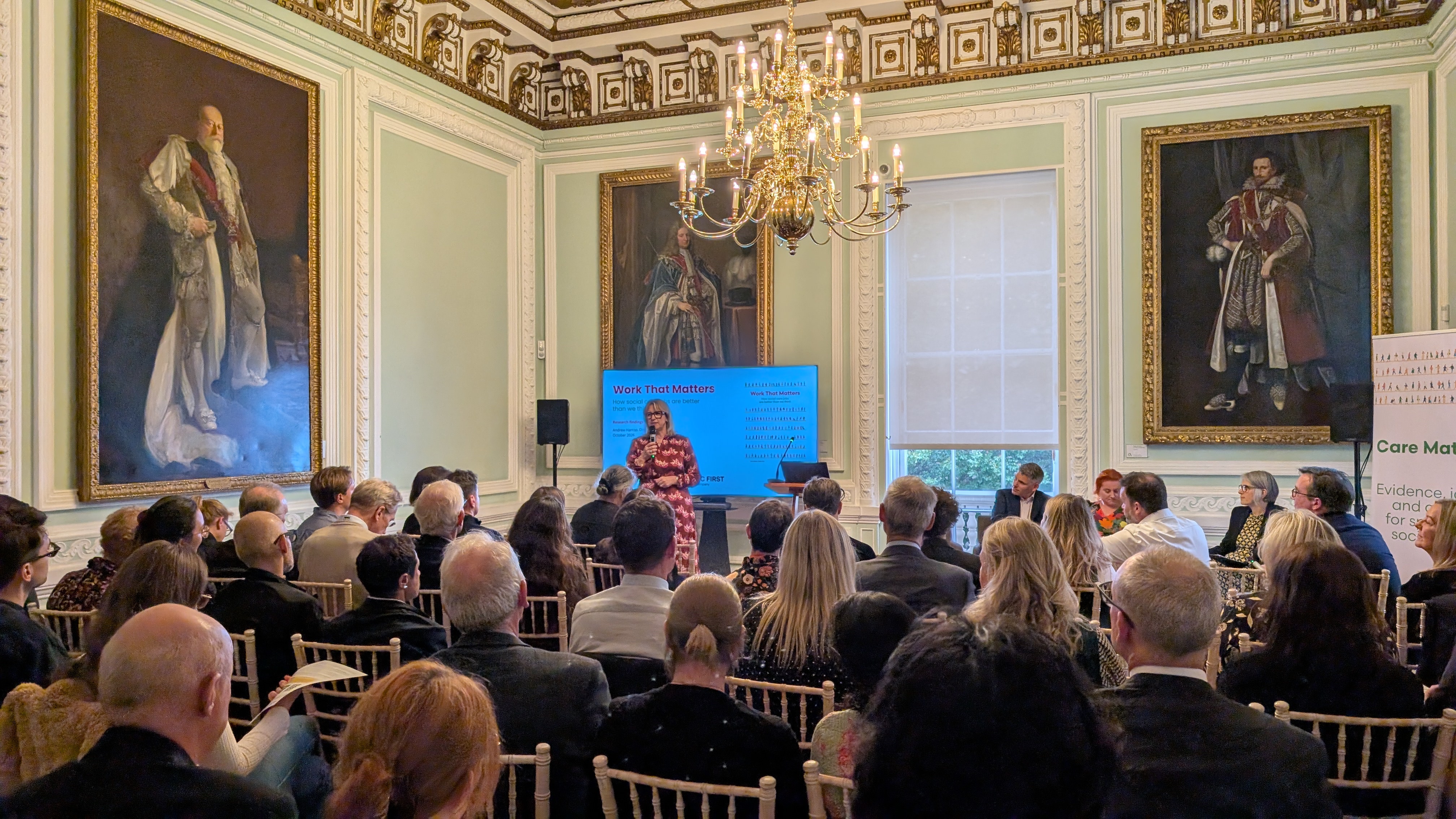
Earlier this week we launched Care Matters, an organisation focused on evidence, ideas and action to help build a better understanding of specialist social care and the difference good support can make. We are proud to have co-founded Care Matters in partnership with Voyage Care and iVolve Care & Support.
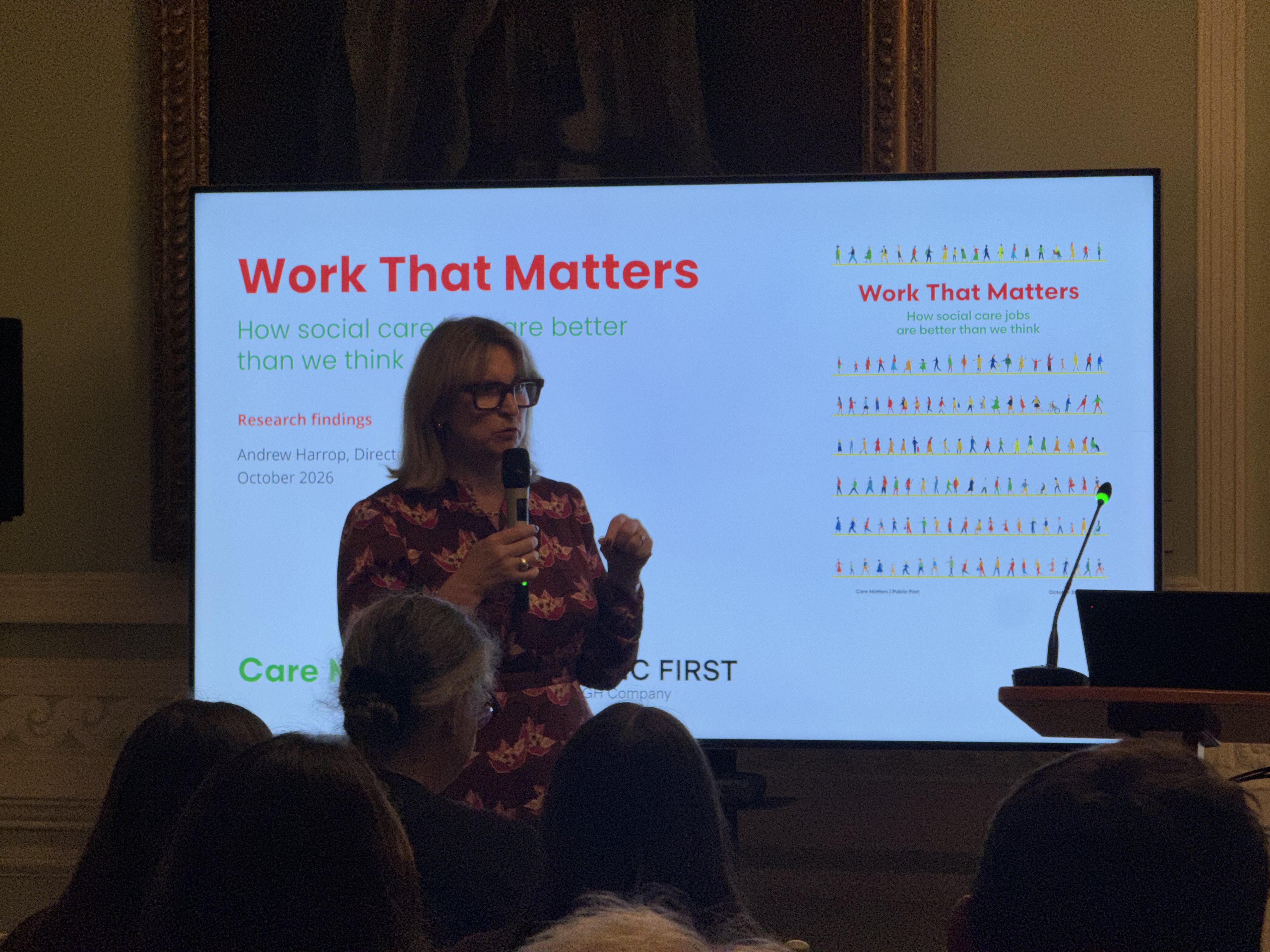
Alongside the launch of Care Matters, comes the first report, “Work That Matters: How social care jobs are better than we think”.
Researched and written by Public First, on behalf of Care Matters, the report challenges some of the long-held perceptions surrounding careers in social care for working-age adults, with new evidence showing that these roles are purposeful, skilled and secure.
Why does it Matter?
Together, the three specialist social care providers employ more than 17,000 colleagues and support nearly 6,000 people across the UK. By bringing together research and personal experience, Care Matters is exploring what makes good social care possible and what needs to change to shape a brighter future for people who draw on support. Whilst simultaneously, recognising the skill and commitment of people working alongside them remains at the heart of the initiative – encouraging a more hopeful, human conversation about care.
What the research tells us
Jobs in social care are too often characterised as unskilled, unfulfilling and insecure. Work That Matters provides new evidence that challenges that stereotype.
The research combines a nationally representative survey of 4,099 workers examining job quality across 40 different measures, from skills, purpose and job security to development, work-life balance and employee voice.
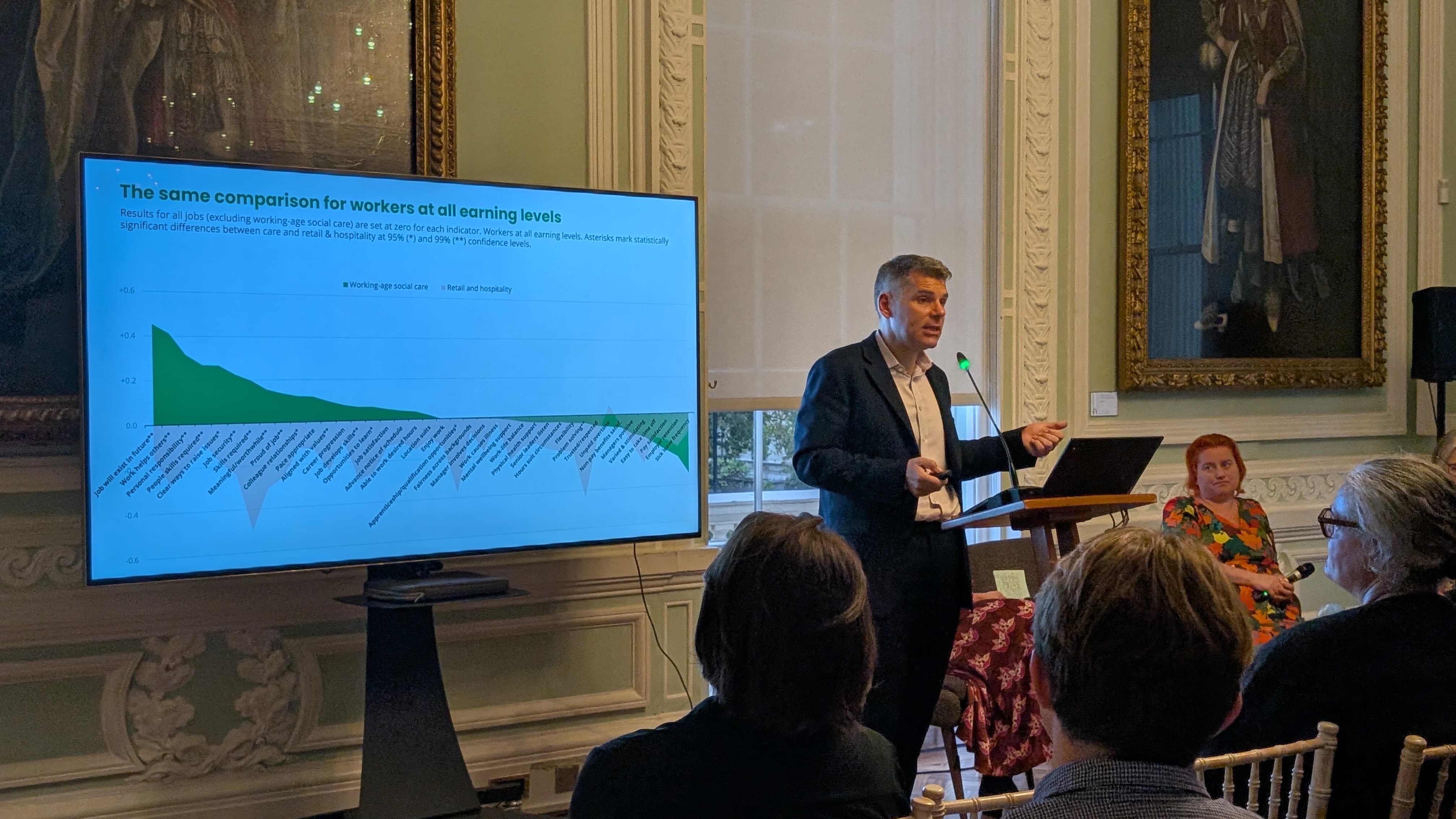
Across all 40 measures, social care for working-age adults performs either at or above the average for UK jobs paying up to median full-time earnings. On nine measures, it performs better by a statistically significant margin, while performing worse on none.
The findings tell a powerful story, resonating with what we see across Choice Care and reinforcing the importance of recognising social care as a skilled, long-term career…
Real purpose:
People working in social care, supporting working-age adults, are significantly more likely to say that their work helps others, is meaningful and worthwhile and makes them feel proud.
This directly correlates with Care Matters mission to shape a brighter future for care, with research showing that young adults – the future of the social care workforce – are increasingly motivated by meaningful work and the opportunity to make a difference to others.
Skilled experts:
The research also challenges the narrative that social care is ‘unskilled’, with more than 75% of care colleagues surveyed saying their role requires significant responsibility and expertise across a broad range of skills including communication, adaptability, judgement and emotional intelligence.
A career where people can grow:
Learning and progression are central to our colleague experience at Choice Care and the impact of this is reflected within the research. In a separate survey, 1,089 colleagues reported strong opportunities to develop their skills and employability, progress their careers and access professional qualifications.
These responses dispel the outdated perceptions of social care as low-skilled work with limited progression and instead, they point to strong career foundations.
Careers built for an artificially intelligent future:
At a time where AI and technology are reshaping the future of work, the social care sector stands out for its long-term security. In the survey, people working in social care were significantly more confident than those in other jobs that roles like theirs will still exist in 10 to 20 years, with the care sector ranking highest against those of a similar pay level.
The confidence from workers in social care directly correlates to growing demand for care and, importantly, the inherently human nature of the work – reaffirming Choice Care’s approach to AI and digital technology as a resource for colleagues rather than aiming to replace the personal relationships at the heart of care.
A word from our Chief Executive, Valerie Michie
“I often talk about the importance of recognising the incredible work our colleagues do and the difference they make to the lives of the people we support.”
“Yet the skill, purpose and joy that comes from working in social care rarely makes its way into the wider public conversation. There is a real disconnect between how social care is perceived and what we see and experience every day.”
“That’s why Care Matters is so important to us. By working together with Voyage Care and iVolve Care & Support, we have an opportunity to challenge outdated perceptions and bring greater visibility to a sector that is too often overlooked. Through meaningful research and real experiences, we want to encourage a more honest, informed and human conversation about social care, celebrating the people who make it possible and showcasing the brilliant career opportunities it offers.”

Discover more
Become part of the conversations shaping the future of social care and read the full report below.