More than words: the importance of inclusion and language
As part of National Inclusion Week, we’re sharing the story of a young woman living in a Choice Care home in the south of England, who arrived as an emergency placement from a Safe House. She could not speak English when she moved in, which made settling into a new environment even harder. Her journey shows why it’s important to make communication support a priority and how this can help someone feel safe, confident and included.
Getting the right support in place
When she arrived at her new home, interpreters were used at the start so that she could communicate her needs and understand what was happening around her. Colleagues also introduced different tools to make daily life easier: objects of reference, pictures and Easy Read materials translated into Arabic, which she could already read and write well. The team used a Positive Behaviour Support (PBS) approach throughout, making sure every step was personalised, respectful and focused on her strengths.
Building confidence through language
At first, she was unsure why she was in her new home. Coming from a background of domestic slavery, she often cleaned the home because it was what she was used to doing. Once she understood the support available and began to feel safe, her confidence grew. Becoming more sociable helped her pick up English quickly, and with this came greater independence. For her, learning English was not just about language, it was about having the chance to settle, build relationships and feel in control of her own life.
Inclusion in daily life
While she is more independent than many of the people she lives with, she has built positive relationships in the home. One resident formed a strong bond with her, while another even mistook her for a colleague, showing the respect she has earned. Being supported by a team of young female colleagues also helped her connect, find similarities and grow her sense of identity. The dedication of the staff team has been central to her progress, giving her the tools, encouragement and safe space to thrive.
Why this matters
National Inclusion Week is about recognising the ways people can be excluded and the practical steps that can change this. In this case, colleagues at Choice Care worked together to provide the right support, showing how language learning can open doors to daily life, independence and a true sense of belonging. It’s a reminder that inclusion is not abstract, it’s about real actions that help people feel part of their community.
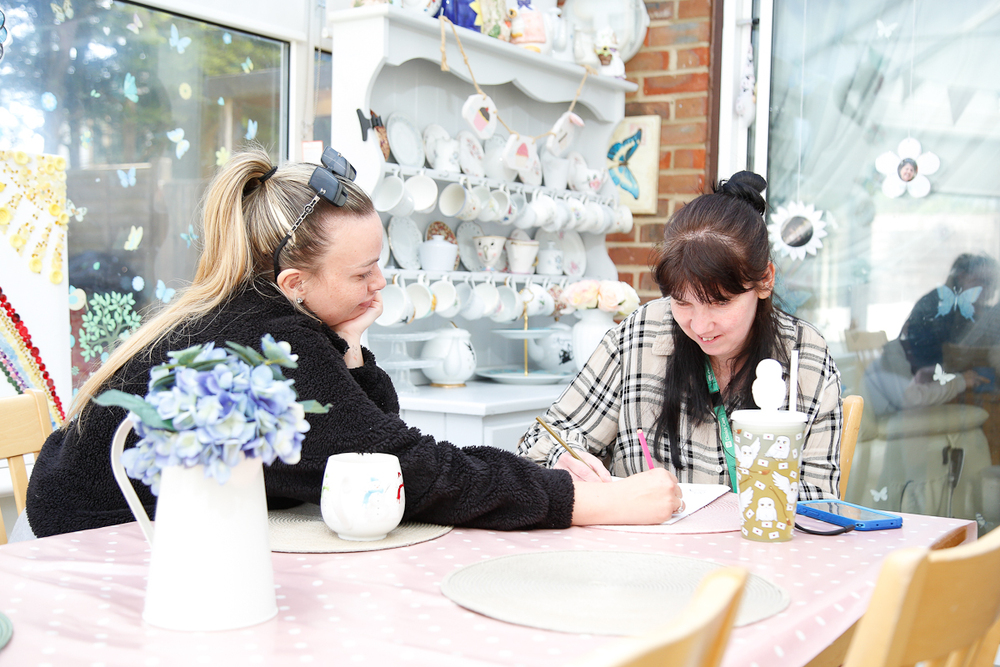
Note: To protect the individual’s privacy, this story has been anonymised and an image from another Choice Care home has been used. The experiences and achievements described, however, are entirely real.