An inspiring story of strength and awareness
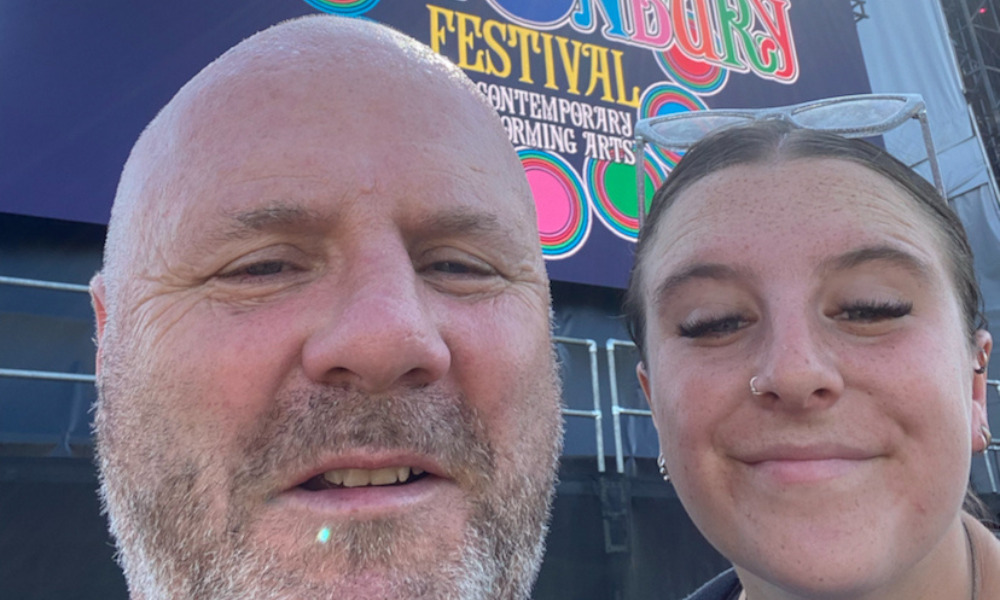
My name is Gareth Jones I work for Choice Care. I’ve been with the organisation for over five years, and during that time, I’ve had the privilege of supporting others through challenging moments in their lives. Now, I find myself facing a challenge of my own – being diagnosed with terminal prostate cancer.
Through this blog, I want to share my journey, from the early signs to my diagnosis, and what life looks like now. My hope is that by opening up, I can raise awareness, provide support to others in similar situations, and start an honest conversation about living with terminal illness.
The journey to being diagnosed
My diagnosis came completely out of the blue. I had no idea I had prostate cancer. The first symptoms I experienced weren’t even related to my prostate, they were kidney stones. I had dealt with them before so when they returned, I went through the usual process with my doctor – scheduling scans and blood tests – and that’s when they noticed something unusual, my Prostate-Specific Antigen (PSA) levels were 34. For context, a normal PSA level is below 4.
The doctors didn’t say much at first, but they scheduled a scan of my prostate followed by a biopsy. Even then I wasn’t overly concerned, maybe I was naïve, or maybe I was in denial, but I just went along with the process. My wife dropped me off at the hospital for the biopsy, and I walked in alone.
That’s when everything changed, and the doctor turned to me and asked, “Are you on your own?”
In that moment, something shifted. The hairs on the back of my neck stood up I suddenly realised this was far more serious than I thought. I called my wife and she rushed back inside. That’s when they told me I had terminal prostate cancer.
After the biopsy, we had to wait for the medication they were prescribing me. They told us it would take an hour to put everything together. So, my wife and I wandered around the hospital, caught in a whirlwind of emotions.
There were tears, moments of laughter, then more tears. It was as if we were floating between reality and disbelief, trying to process what had happened. In that hour, we weren’t just waiting for medication, we were standing on the edge of an unknown future, wondering what life ahead would look like.
The next few days were a bit of a blur. Life felt…different. Everything had changed, yet the world around me carried on as normal.
The early days
Family and friends became more important than ever. My moods, my outlook, and everything was shifting as I tried to process the unknown ahead. The shock of my diagnosis wasn’t just mine to carry; it rippled through my family, affecting everyone I loved.
The hardest part was telling my daughter. Breaking that news, finding the words, it was something no parent ever wants to do. But I knew I had to be open and honest, not just to my family, but also with my colleagues. With so many hospital visits ahead, I felt it was best to be upfront with my managers and colleagues. What got me through those early days was the incredible support I received from my wife, Rebecca, and my managers, Donna and Emma, who were all there for me without hesitation, offering reassurance, kindness, and the promise that I would not go through this alone.
Then there was Frances, our Group Operations Director, who reached out, reinforcing the same message: that the organisation would support me as much as possible.
Knowing I had people in my corner made all the difference. Their response was overwhelming. Every single one of them showed me kindness and support, they reassured me that I wasn’t facing this alone. That meant more than I can put into words.
Beginning treatment
After my diagnosis, I was put straight onto chemotherapy, which lasted for five months. From the beginning, I’ve been on medication and hormone injections to slow the growth of the cancer in my bones. The treatment has taken its toll, and left me feeling tired and worn out, so I’ve had to learn to pace myself.
At first chemotherapy was manageable, but as time went on, the exhaustion hit harder. By the end of the treatment, I was feeling drained much more quickly. But despite the challenges, I am staying positive. Right now, I’m being tested every three months, and the good news is that my PSA levels are still going down.
This means I’m able to keep working which is important to me. Of course, with the medication and everything else, I have to be careful and pace myself, so I don’t get over tired. But for now, I’m moving forward one step at a time and am thankful for Choice Care’s support.
A mission to raise awareness
Throughout my journey with cancer, I’ve been very open and honest with everyone I meet – friends, family, colleagues. I’ve arranged awareness events and have talked at local events using every platform I have to promote prostate cancer awareness. I encourage people, especially men around my age, to get tested – it’s surprising how many people don’t realise the risks.
The statistics speak for themselves: 1 in 7 males will face prostate cancer in their lifetime, and for black males the risk is even higher, 1 in 4. That’s why testing is so important. I’ve had friends and family go for tests because of my story and while thankfully none have been diagnosed with prostate cancer, other health issues have been caught early, giving them a chance to deal with them before they become serious.
In my book that’s a win.
I do feel that prostate cancer awareness still isn’t where it should be, unlike other health screening routines, prostate cancer checks aren’t widely encouraged. Thankfully, people like Chris Hoy, who was diagnosed around the same time as me, are using their platforms to bring more attention to it. While it’s unfortunate that he’s going through this too, his visibility is helping to spread awareness.
As I reflect on the people we support at Choice Care, I wonder how we can ensure better screening and awareness for them as well. Many of them may not be able to express symptoms or concerns in the same way, making early detection even more challenging.
Prostate cancer is called the silent killer for a reason, most men don’t know they have it until it’s too late. We need to push for more awareness, not just in general population but also within Choice and the care sector as a whole.
How can we ensure people we support are screened?
How can we make sure that, if something arises, it’s caught early and dealt with?
These are the questions we need to be asking and acting on and this is where I would like to do some more work within Choice to look at what we are able to provide, guidance in all areas of Cancer support and awareness.
Prostate Cancer UK | Prostate Cancer UK
Macmillan Cancer Support | The UK’s leading cancer care charity